In encounters with certain works of contemporary visual art, perception activates modes of association that situate aesthetic experience in territories where matter, gesture, and time intertwine. Elizabet Cerviño’s (Manzanillo, Cuba, 1986) exhibition The Rhythm of Resilience, recently presented at Gallery 114 in Ybor City, Florida, unfolds within this horizon.




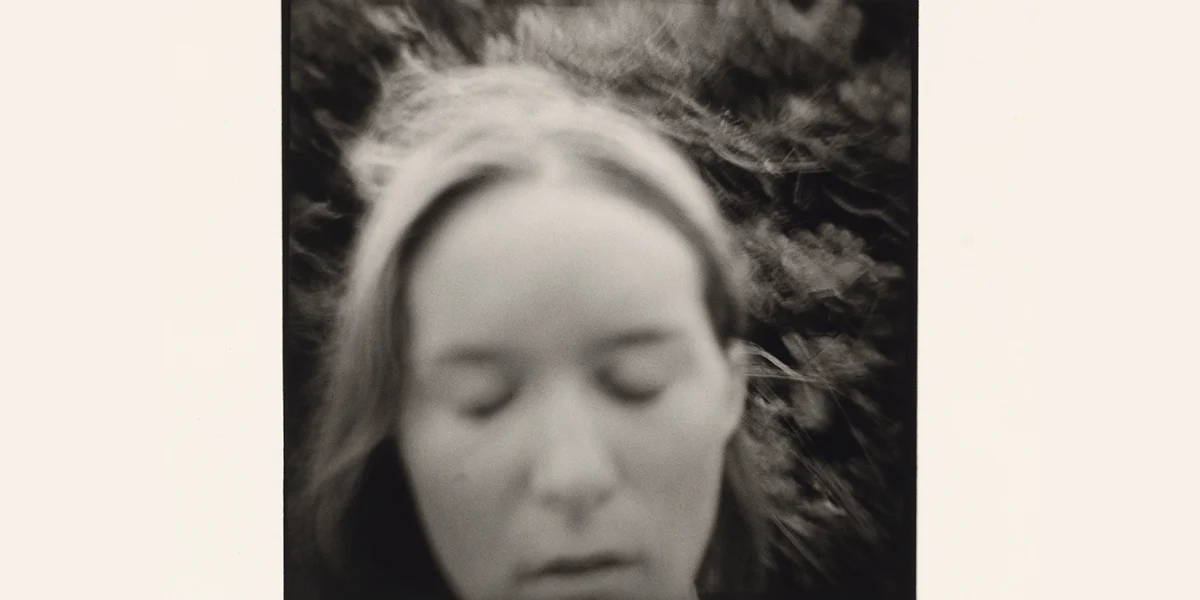
CAM presents more than 150 photographs and archival materials in the first career retrospective devoted to Nancy Rexroth.

Noel Maghathe brings woven photographs and family archives to the Art Academy of Cincinnati for FotoFocus 2026.
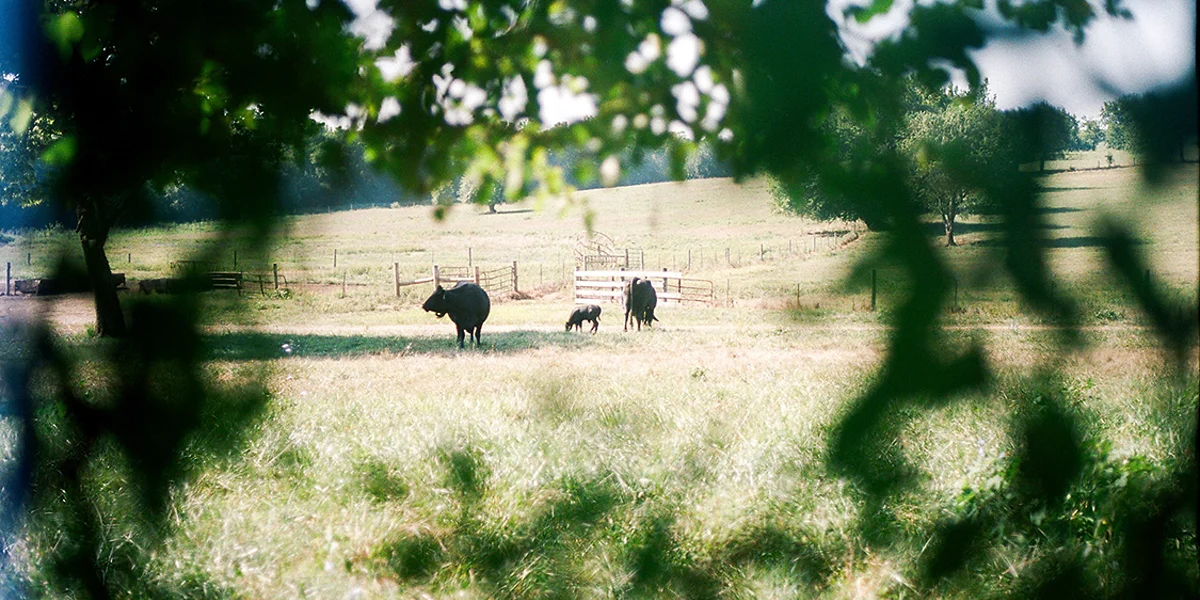
Free FotoFocus reception, curators’ talk and student awards bring visitors to the Art Academy of Cincinnati on October 16.

Photographer Jesse Ly discusses his practice and visual culture in a free lecture at the University of Cincinnati.

Edie McKee Harper’s photographs, paintings, weavings, and prints go on view October 17 at the Taft Museum.
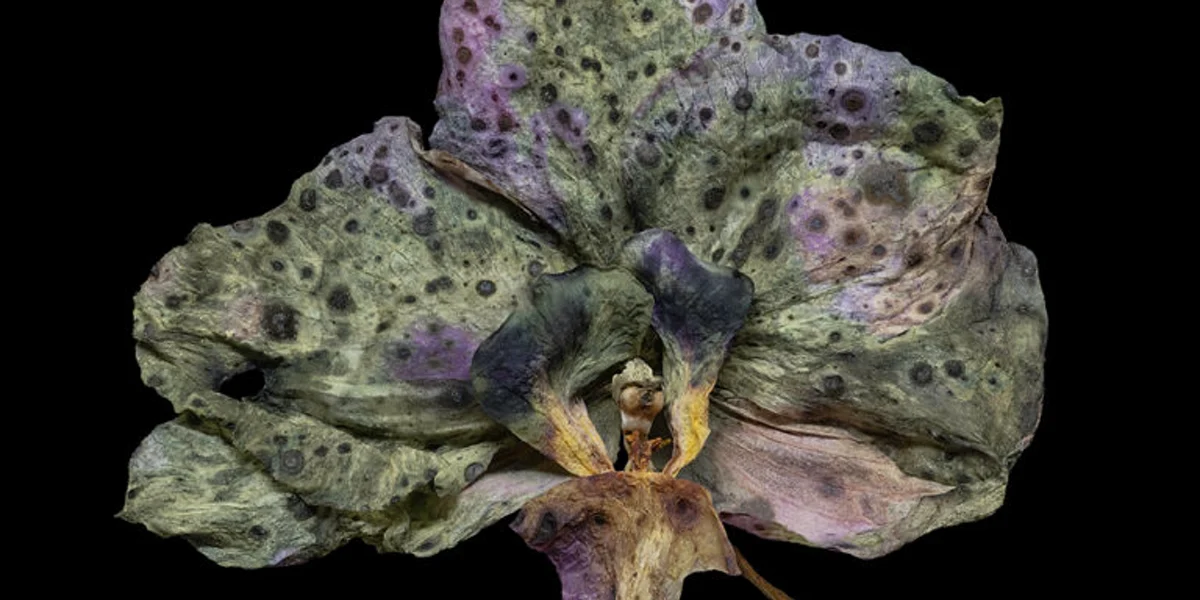
Fitton Center hosts a free photography reception, with Michael Tittel discussing Ohio Valley watersheds during an artist talk.

Artist Marzena Abrahamik discusses her photo exhibition Girl Play at a free October 30 talk in Cincinnati.

Artist Rhys Watkins leads free multisensory exhibition tours and audience discussions at Here and Now in Newport.

Whenever I take part—as a curator or a viewer—in an exhibition bringing together several artists, seven women in this case, any number of men or any combination of the two sexes, I try to imagine the reasons, the implicit mystique that such a combination requires.

On Saturday, September 12th, The Annex Gallery brought together some forty people for an evening of celebration and fundraising dedicated to advancing the education of children living in some of the world's poorest communities. Jens G. Rosenkrantz and Kay Hurley, mother of Katie Hurley Wales, opened the gallery to host a benefit for Brighter Children, the organization led by Katie, under the banner Gather with Purpose.


Art off Pike is Kentucky’s premier urban art fair specializing in affordable artwork and lively creations for you and your friends. This year AOP features over 80 artists, designers, and makers to delight the senses.

Looking for affordable art? Shirley A. Hudson is holding the second Affordable Art Sale.
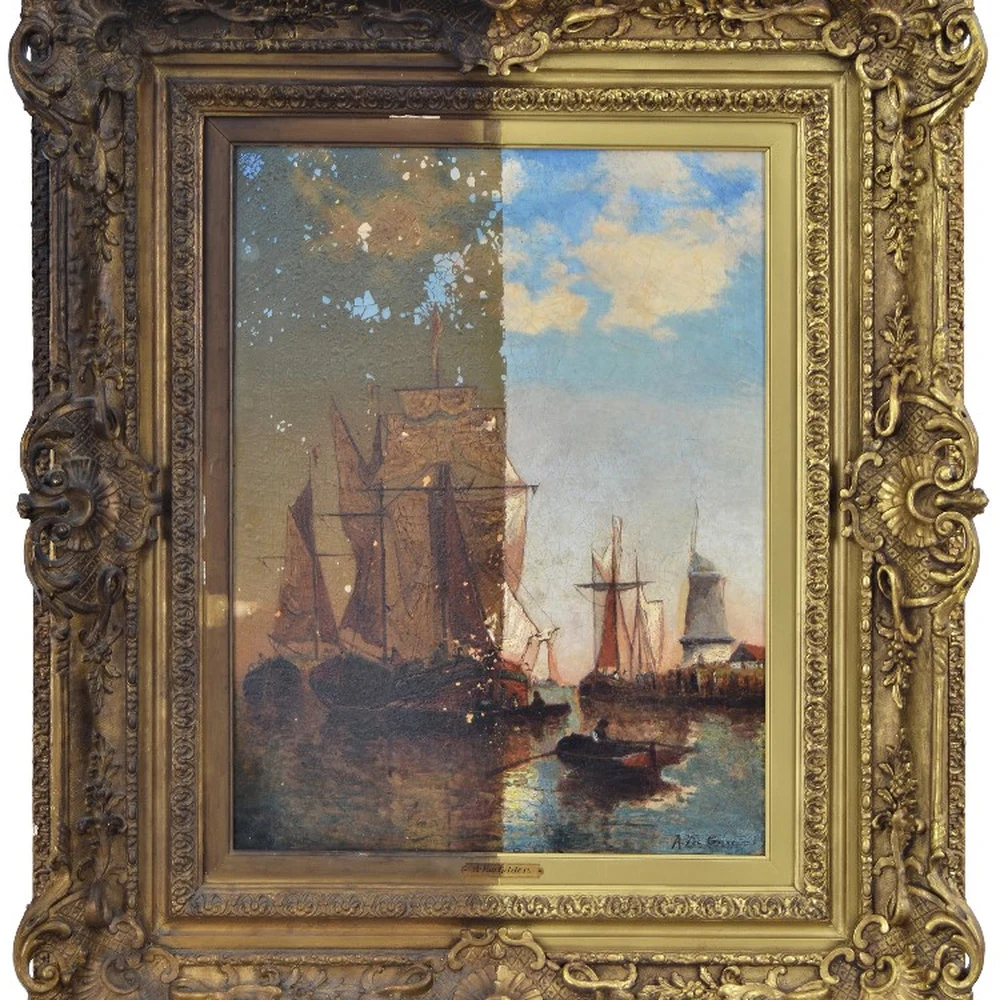
Restoration experts will be available in the Eisele Gallery on Wednesday October 2nd from 9AM until 7PM to inspect and provide complimentary estimates to clean, restore and preserve your damaged or deteriorated Art and Antiques.
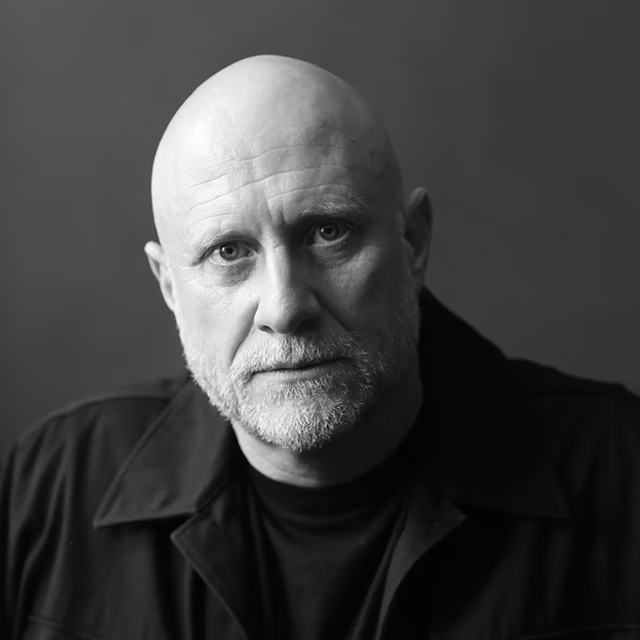
Beyond I.T.I.N.E.R.A.T.I.O.N.S., at The Annex Gallery, The Most Merciful Thing in the World, by renowned American artist Trevor Paglen, was the first exhibition I visited in the current FotoFocus Biennial at its main venue. Open since October 1, it held its official reception only yesterday, on the 3rd, following a performance-lecture by Paglen. This carefully conceived exhibition has been curated by Kevin Moore, Ph.D., Artistic Director and Curator of FotoFocus.
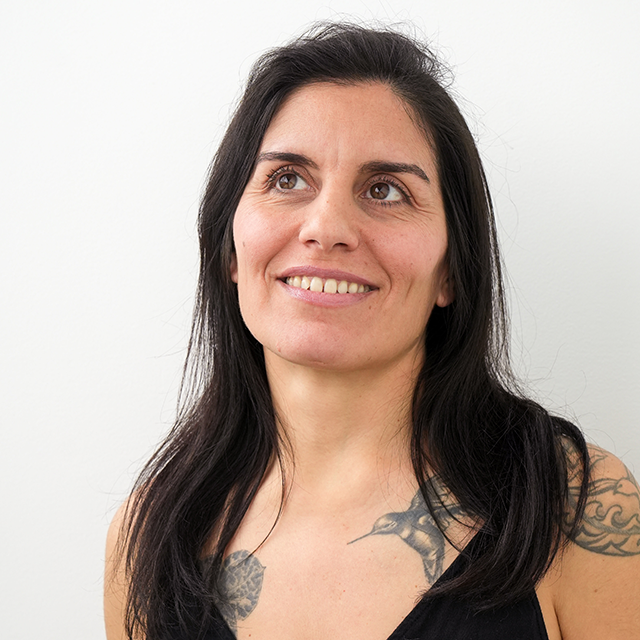
In the Middle of the Endless Water, a solo exhibition by Julia Orquera Bianco curated by Carolina Cuervo at the Philip M. Meyers Jr. Memorial Gallery at the University of Cincinnati, brings together more than a decade of work by an artist whose practice has gradually moved from the personal experience of migration toward an inquiry into territory, memory, ecology, and alternative forms of knowledge.

I suppose that, like me, hundreds and probably thousands of viewers developed a dark sympathy for the character of Hannibal Lecter. The two actors who, to date, have embodied him most memorably are Anthony Hopkins and Mads Mikkelsen. The character displays extraordinary intelligence and self-control. He conducts himself according to his own rules and ethical codes.

Decomp.dev has disabled its public project index and stopped accepting new projects. The site tracks efforts to reconstruct readable source code from released video games. Its maintainer says AI-assisted copies and rushed adaptations are damaging the volunteer community behind that work. Existing project pages and historical data will remain available. The notice accepts that AI can help when guided and reviewed properly. The maintainer says a lone hobbyist cannot keep judging the quality of hundreds of projects.
A volunteer who spends an evening explaining a difficult function contributes something a completion percentage cannot record. Another person learns how the program works and can help with the next problem. If recognition goes chiefly to whoever announces a finished version first, that teaching becomes harder to sustain. Someone still has to check the result, trace mistakes and answer questions after the announcement has circulated. Faster output can therefore increase the unpaid work required from experienced contributors. This is an awkward limit for a hobby measured through progress bars. The satisfying number can rise while the conditions for learning together deteriorate. A project can choose to use AI and still require a contributor to explain each change and accept responsibility for fixing it. Those requirements need to appear before a submission is counted as progress.

Seven U.S. senators asked Meta to explain whether it claimed research tax credits for building and operating AI data centers. In a statement published October 14, they questioned reports that the company treated those facilities as experimental pilot models. They want the amount attributable to data centers and the reasoning behind the claim. The request does not establish that Meta broke tax law. Responding to earlier reporting, company spokesperson Andy Stone said Meta uses incentives Congress created to encourage domestic investment. That defense leaves the eligibility of particular expenses open to scrutiny.
A research tax credit lowers a company's tax bill, giving the public a financial stake in what qualifies as an experiment. An AI facility can contain genuine research while also serving as a production site. Deciding which costs receive support requires a closer account of what is being tested and what the company already knows how to build. Calling an entire expansion experimental risks making size itself a reason for subsidy. Rejecting every new facility as routine could also overlook work whose outcome is uncertain. The useful distinction has to survive an examination of equipment purchases and actual tests. Meta's answer should identify the claimed expenses and explain how each relates to research. Legislators and taxpayers would then have something firmer to assess than the industry's broad promise of future breakthroughs.

Google DeepMind and Singapore’s GovTech announced an AI scam detector on October 14 that analyzes conversations on the phone itself. Built with Gemma, Google’s lightweight model, it screens incoming messages and examines suspicious exchanges for signs of manipulation. The developers say this local design keeps conversations out of government and Google servers. Access will require the user’s consent. Integration into applications is planned in phases, with no launch date given. A warning would ask someone to pause before sending money or sensitive information.
A person receiving an urgent message from a supposed bank could get a warning while still deciding whether to obey it. That pause offers a useful defense against fraud that depends on haste or trust. Keeping the analysis on the handset also avoids creating a central store of private exchanges for this purpose. Yet an alert can be wrong, and its wording can shape how someone reads a genuine request. The application's terms will determine which conversations the feature can access. Users need a plain explanation of that reach and a practical way to withdraw permission. They should also be able to inspect the reason for a warning without treating it as a verdict on the person writing. Before a rollout, the developers should publish how often the system misses scams and how often it flags ordinary messages. Those results would let citizens judge the protection being offered.